Best Terret (BoostUp) Alternatives for Salesforce Pipeline Management (2026)
See the best Terret (BoostUp) alternatives for Salesforce pipeline management in 2026 and who fits each.


BoostUp became Terret in September 2025. The roll-up you bought now sits inside an AI agent platform, Terret Nexus, which went generally available in July 2026. The documentation is split across two brand names, and your renewal feels like a new purchase.
Here's the short answer, by situation:
- Weflow, a revenue AI orchestration platform built for Salesforce teams. It fits if you're Salesforce-only and want captured activity in your own Salesforce, plus API and MCP access to forecast and call data.
- Clari, if you need the most mature roll-ups at 1,000+ reps.
- Aviso, if you're a large enterprise consolidating forecasting across several CRMs.
- Gong, if conversation intelligence and deal boards are the center of your process.
- Stay on Terret, if you run HubSpot or need warehouse data such as product usage or billing joined into the analysis.
One concession up front: after discounts, price between these tools lands within single digits, so price won't decide this. What decides it is where captured activity lives, whether your forecast and call data can be queried outside the tool, and whether the views you run every week hold up: roll-up, waterfall, deal risk and accuracy. Those four views are the job we built Weflow deal reviews around.
Terret vs Weflow, Clari, Aviso and Gong at a glance
On the views a RevOps team opens weekly, these five tools look similar. They split on four things: accuracy tracking, how deal warnings are defined, AI assistant and raw data access, and whether the price is published.
| Capability | Weflow | Terret | Clari | Aviso | Gong |
|---|---|---|---|---|---|
| Forecast submissions and roll-ups | Baseline and best case tied to named deals; every version kept; submitted in the web app | Calls roll up the manager hierarchy, with a beat chart and same-day comparison | Up to eight levels; owner-based roll-up; a call is a number with notes | Commit, best case and most likely on Aviso's own hierarchies; multi-CRM | Per-category submissions with notes; follows the Salesforce hierarchy |
| AI forecast prediction | Low, middle and high range; needs six months of history; first projection in 48 to 72 hours | Conversion-rate projection plus a machine forecast with commentary; resets when stages change | AI Forecast needs four quarters of history; teams describe 12 to 18 months before it's useful | AI forecast beside the team call, built from deal WinScores | Weighted-conversion projection with "See the math"; needs about 400 opportunities |
| Opportunity snapshots | Every few hours, plus a 12-month Salesforce history import | Historical snapshots feed RevBI and the waterfall | Time Series Data Hub snapshots automatically | Time-series copy of the CRM, six to eight quarters back | Rebuilt weekly from CRM field history; backfill through the CSM |
| Pipeline waterfall | Seven buckets, each drilling to the deals | Clickable waterfall plus a Sankey chart since any date | Waterfall and pacing, the views Clari teams open most | Pipeline Movement waterfall per report period; Sankey for any two dates | Changes waterfall grouped into 16 reasons |
| Deal risk warnings | Customer-built AND/OR rules on any non-text field; shown in the submission screen | Model-built engagement risk score and slip probability | Admin-built Deal Gaps rules | Prebuilt and custom nudges | Eight Gong-defined warnings, switch on or off only |
| Forecast accuracy tracking | On by default, per rep, manager and team | No documented accuracy report; Nexus covers it in a monthly rep review | No computed measure; forecast history exported to BI | Commit accuracy per account executive; audit trail export | Per-person accuracy report |
| Integrations with other tools | Salesforce, Google, Microsoft, Zoom, Slack, Outreach dialer; Salesforce is the only CRM | Salesforce or HubSpot, Gong, Chorus, Outreach, Apollo, Snowflake, Databricks; no published catalogue | Salesloft data layer, including Dynamics, Snowflake and Databricks | 200+ claimed connections across several CRMs | About 450 listed in its marketplace |
| Access from AI assistants (MCP) | Official read-only connector: forecast calls, pipeline metrics, playbooks, summaries, transcripts if enabled | None, though Terret markets Claude and ChatGPT access | Forecast MCP for forecast data; Salesloft MCP is a beta, paid add-on; Copilot MCP reaches call data | None for outside assistants | Three record-scoped tools; insights, not transcripts; credit-metered |
| Raw data access outside the tool | REST API bulk export in JSON or CSV; BI connectors; recordings to your own storage | CSV downloads and computed fields in Salesforce only | Forecast history CSV; Salesloft sync to Snowflake and Databricks | File downloads only | Public API with rate limits; Data Cloud as a separate purchase |
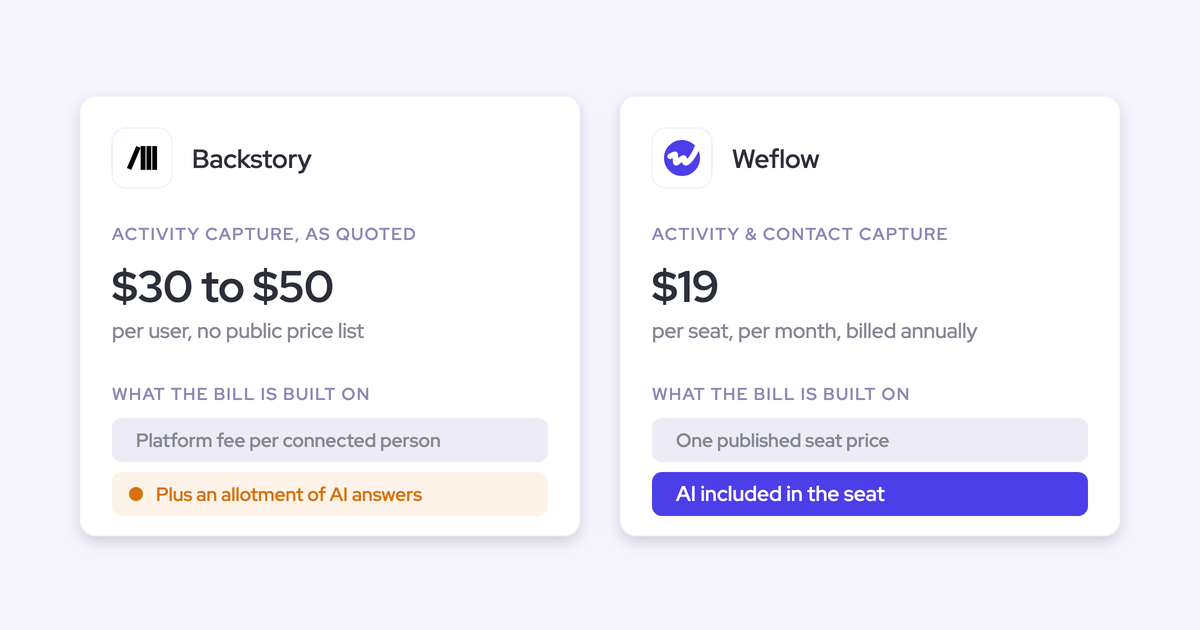
| Pricing | Published: $19 to $79 per user per month | Quote only | Quote only; estimated $120 to $180 per user per month | Quote only; agent work at $1 to $1.50 per outcome | Quote only; Foundation licence plus application seats and AI credits |
Since price lands close after discounts, the bottom four rows carry most of the decision.
What Terret does well and why RevOps teams leave it
Terret still does the forecasting core well. The reasons teams leave at renewal are architectural and commercial: where data lives, how it gets out, and what happens when you change your own process.
What changed when BoostUp became Terret
BoostUp renamed itself Terret in September 2025 and moved from a forecasting product to an AI agent platform for revenue teams. Terret now sells itself as an "answer-to-action" engine: Nexus answers revenue questions across CRM, call, email and warehouse data, then AI agents push playbooks, coaching and CRM updates to the field.
Terret says several products shipped at the rename have since been rebuilt or dropped. That's why the renewal feels like buying a different product.
| Item | BoostUp then | Terret now |
|---|---|---|
| Headline product | Roll-up forecasting and pipeline inspection | Terret Nexus, with Terret Forecast and Terret Conversation Intelligence beside it |
| Help center | support.boostup.ai | Still support.boostup.ai |
| Web app | app.boostup.ai | Still app.boostup.ai |
| Salesforce package | BoostUp | Still branded BoostUp |
| iOS app | BoostUp.ai | Still published as BoostUp.ai, last updated July 2023 |
What Terret still does well for Salesforce forecasting
If you've run BoostUp for a few years, this list should match what you'd defend in a renewal meeting:
- Roll-up forecasting. Reps and managers submit calls by quarter or month that roll up the manager hierarchy, beside a beat chart against target, a same-day comparison with previous quarters and seller quota attainment.
- Two AI views of the number. The projection applies each rep's and manager's historical conversion rates to existing and expected pipeline. Terret Forecast adds a machine forecast with commentary on tailwinds and headwinds, naming the deals behind each movement.
- Snapshots and RevBI. Dashboards run over live data or historical snapshots, including stage conversion, cycle length and win rate.
- A waterfall and a Sankey chart. You can see new, pulled-in, increased, pushed, decreased, won and lost pipeline since any date, clickable to the deals.
- An engagement risk score that ignores rep-edited fields. It reads email, meeting and call activity, sentiment and stakeholder engagement against similar closed deals. Terret's argument is that objective activity can't be talked up by a rep protecting a deal, and that's a fair design choice.
- Business types. Separate forecasts for new business, renewals or a business unit, which can follow opportunity record types.
- HubSpot support through a two-way sync, alongside Salesforce.
- Warehouse ingestion. Terret pulls any Snowflake or Databricks table in and joins it with CRM data, so product usage or billing can feed its analysis.
Why teams leave Terret at renewal
These are the reasons buyers bring to us, in the order a forecasting audit would hit them:
- Risk is a model's opinion, and accuracy isn't reported. Terret flags risk through a model-built score rather than warnings you define. Nexus assesses forecast accuracy in a monthly rep review, but Terret documents no forecast accuracy report.
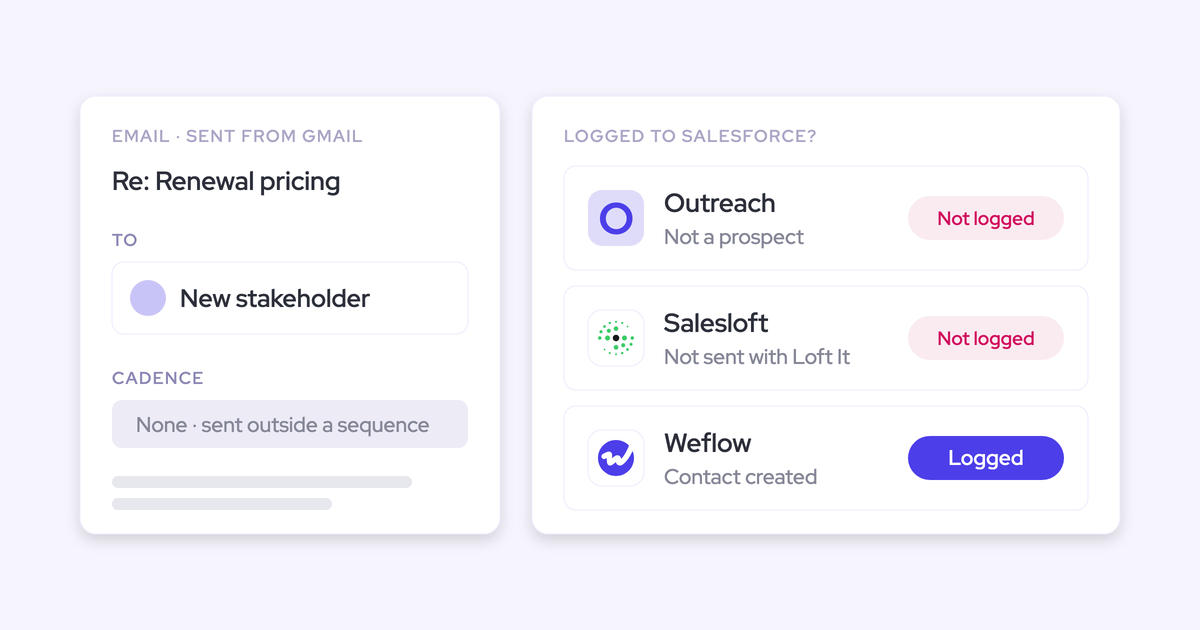
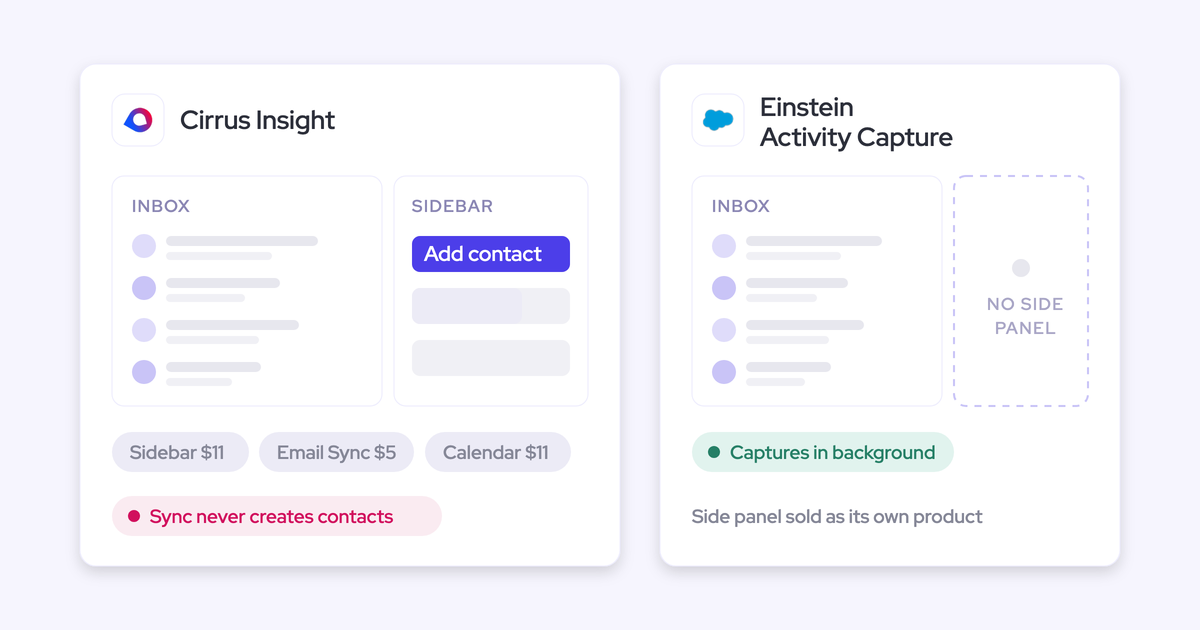
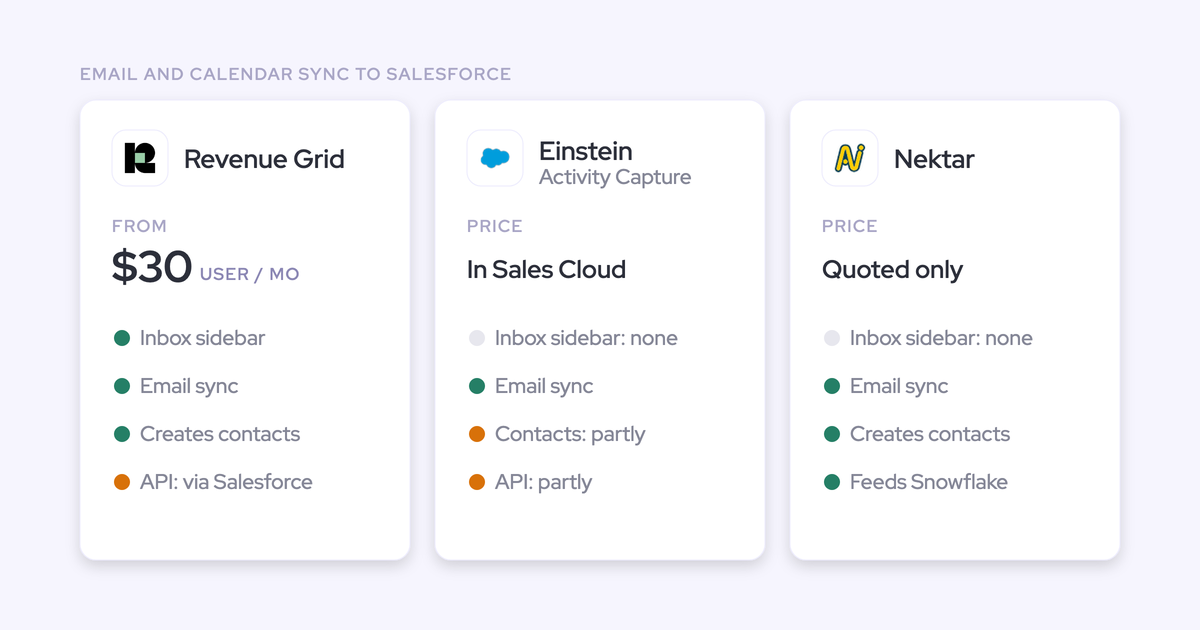
- Captured activity stays in Terret's store. Terret syncs emails and meetings for scoring but doesn't log them to Salesforce as activities. A Salesforce report on emails or meetings sees nothing Terret captured.
- The data can't leave. There's no public API, no MCP server and no warehouse export, only CSV downloads and a handful of computed fields written to Salesforce. Terret's marketing still names Claude and ChatGPT as access routes, with no connector or setup guide behind them.
- Changing your stages breaks the forecast. Changing Salesforce stages or forecast categories makes Terret's projection unusable for one to two quarters. Reconciling history takes a stage-history remap of about four weeks through Terret's customer success team, plus app downtime.
- The rest of the list adds up. Calls are transcribed and analyzed in English even when the meeting isn't. Recording on Zoom needs a Zoom admin to authorize the app, and there's no botless recorder. Pricing is quote-only, with a list price buyers read as inflated. And the tool served the leaders who forecast, not the reps.
That last point is about the whole forecasting generation, not just BoostUp. A RevOps leader said it this way about Clari, and BoostUp buyers tell us the same:
"None of my reps thank me for getting Clari. Over the years it was easier to make their updates and know what the reps were talking about, but it did not necessarily come forward and be like, this is something that is going to make me more productive."
What to check before you shortlist a Terret replacement
An exit decision tests three things: what you keep, what you can reach, and what survives your own changes. Most renewal audits we see start from the same place:
"We mostly use Clari for roll-ups, simple pipeline analytics, and to inspect and the price point for that is crazy high."
So ask every vendor these questions, and make them show you rather than tell you:
- Where captured activity lands. Ask which Salesforce object an email or meeting is written to, then open a Salesforce activity report in the trial and look for it.
- How data gets out. Ask whether transcripts, forecast calls and pipeline data are reachable by API, MCP or bulk export, and connect an assistant during the trial.
- What the AI projection needs. Ask how much history it needs, where that history comes from, and how many days until the first projection.
- What a process change costs. Ask what happens to the projection and to pipeline history when you change stages or forecast categories.
- Whether the call is tied to deals. Ask whether a commit is a typed number or a set of named opportunities you can open in the review.
- What reps install. Ask what an admin can switch on centrally and what depends on each rep doing setup.
- Who runs the migration. Ask who does the work, how long it takes and how many RevOps hours it needs.
Weflow: pipeline management with activity logged to your Salesforce
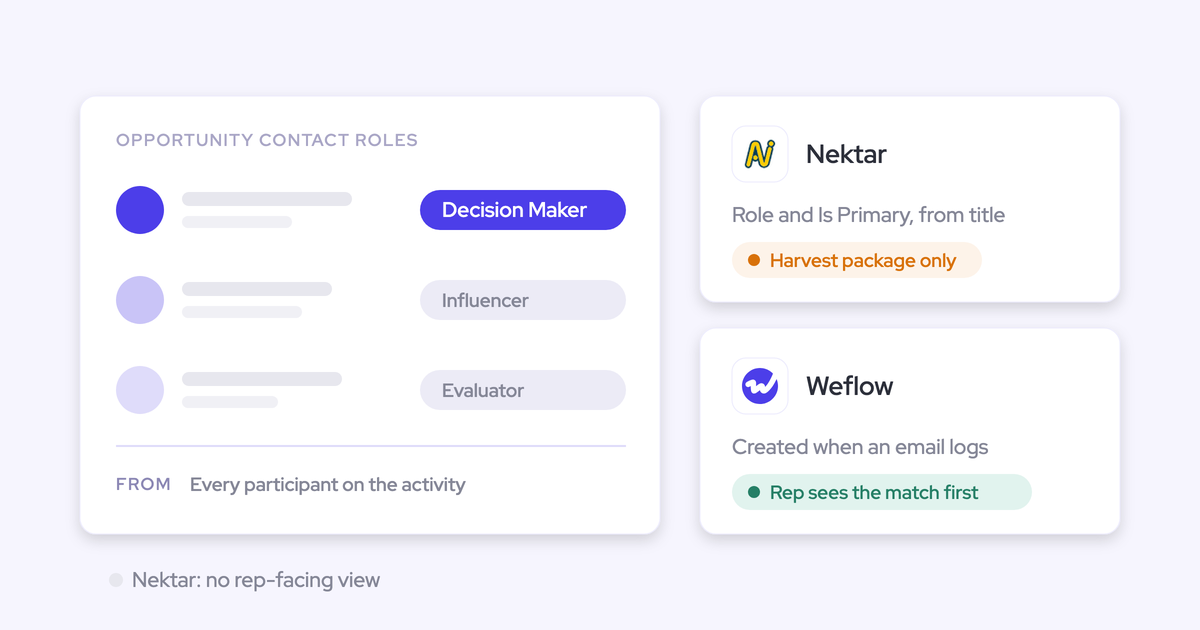
Weflow is the Revenue AI Orchestration platform for sales, customer success, and RevOps teams. We built it for Salesforce teams, and it works only with Salesforce. Weflow covers the weekly views Terret covers and changes what you keep: captured emails, meetings and contacts land in native Salesforce objects, and forecast and conversation data stays reachable through our API and MCP connector.
One scope note, because it matters on an exit decision. The "stays in your Salesforce" promise covers the activity and contact layer. Weflow stores call recordings and opportunity snapshots on its side, and recordings export to your own storage through the API.
How Weflow Deal Intelligence & Forecasting builds your forecast number
Weflow Deal Intelligence & Forecasting ties every forecast call to named opportunities. Each rep submits a baseline and a best case, either as a total or by selecting the specific deals behind each figure, with a comment.
- Every submission is versioned, so you can see whether a rep's call moved during the quarter or never moved at all.
- Managers can override at the deal or total level, and each override is timestamped, attributed and logged with its rationale.
- A manager submitting for the team can include deals owned by the reps, picking the opportunities behind the team call.
- Deadlines can lock submissions, and a reminder email deep-links the rep straight into theirs.
Beside the roll-up, Weflow runs two other methods, so you see three numbers on the same pacing chart:
| Forecast method | What it's built from |
|---|---|
| Weighted forecast | Each stage's win rate recalculated from a rolling window, such as the last 90 or 180 days, instead of the fixed stage probability in Salesforce |
| Roll-up | Rep and manager submissions tied to named deals |
| AI projection | More than fifty deal-level signals and up to two years of history, returned as a low, middle and high range |
The AI projection needs at least six months of Salesforce opportunity history, which we import at install. The first projection is ready within 48 to 72 hours, not after months of running.
We build a separate model for each forecast configuration, so new logo and renewal each project from their own history. The projection refreshes nightly. When it isn't confident in a range, it shows none and says why. The gap between the three numbers becomes the agenda for your forecast call.
How Weflow snapshots opportunities to power the pipeline waterfall
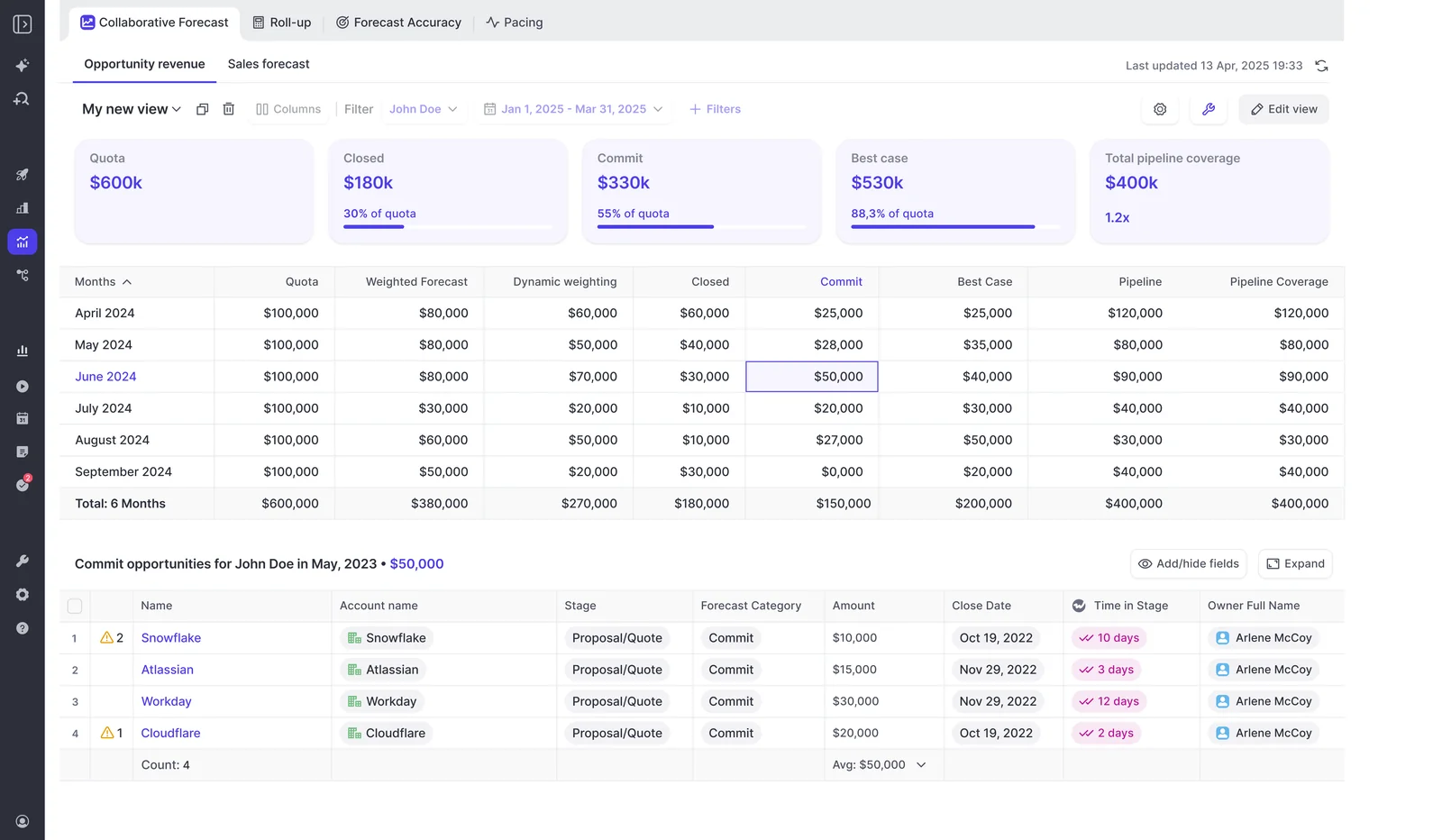
Weflow snapshots every opportunity every few hours, because Salesforce only stores a deal's current state. Those snapshots are what let you answer why a quarter that opened strong ended thin.
Pipeline history before rollout comes from a 12-month Salesforce import by default. For custom fields, how far back that history goes depends on whether Salesforce field history tracking was switched on.
The waterfall reconciles starting pipeline to ending pipeline through seven buckets, and each one drills to the deals behind it:
- Created
- Increased
- Pulled in
- Pushed out
- Lost
- Decreased
- Won
Around it you get a pacing view, stage conversion by month and stage, team benchmarks and 30+ prebuilt pipeline metrics. Stage conversion isn't drillable to deals the way the waterfall is.
How Weflow flags risky deals and measures forecast accuracy
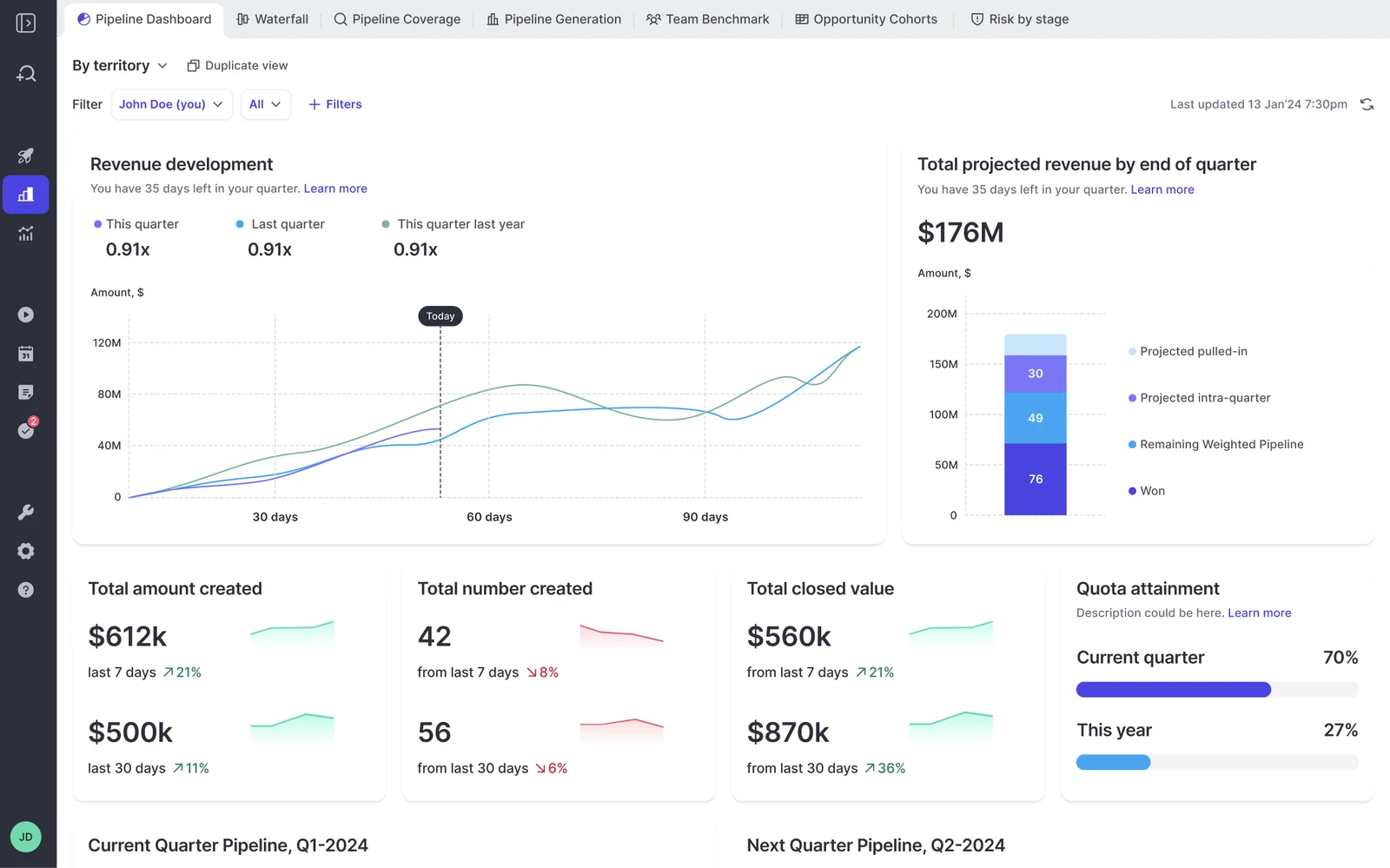
Weflow deal warnings are rules you write, not a score a model hands you. You build them with AND/OR logic on any opportunity field except text fields, or on fields Weflow computes from captured activity, such as days inactive, days in stage and close-date pushes.
That matters because slippage looks different in a 60-day cycle than in a 12-month one. The warnings also appear inside the forecast submission screen, at the moment a rep chooses which deals to commit, so unhealthy deals get questioned before they enter the number.
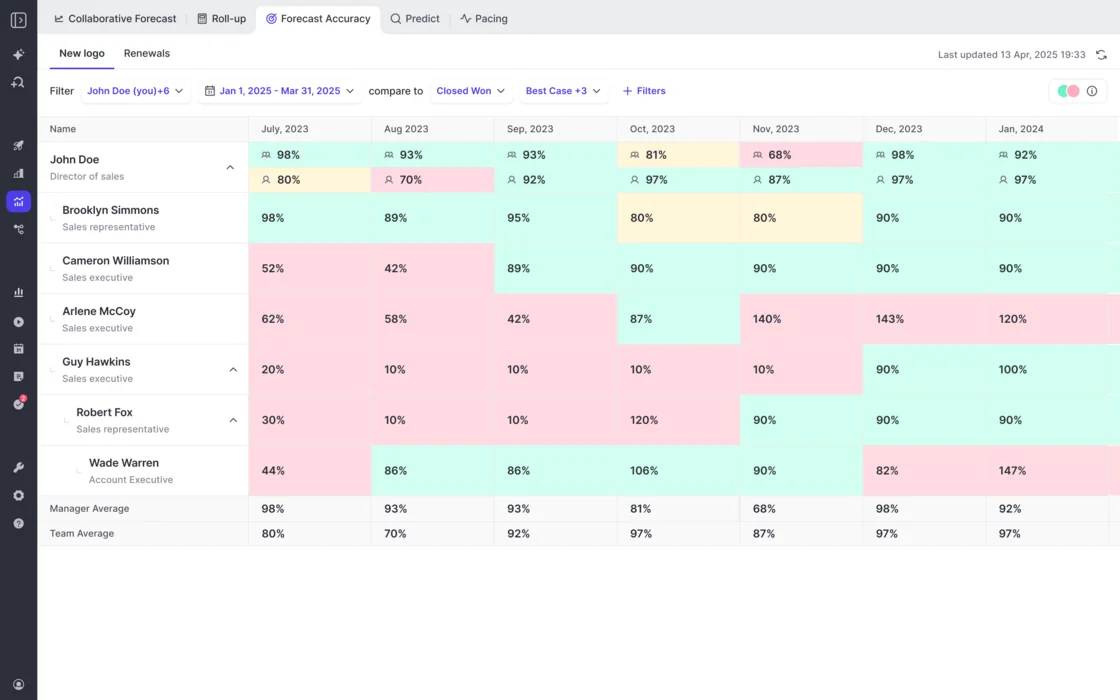
Forecast accuracy tracking is on by default for every Forecasting customer. It reports each period per rep, manager and team, against a field your admin chooses, such as Closed Won.
| Question | Terret | Weflow |
|---|---|---|
| How is deal risk defined? | A model-built engagement risk score from activity, sentiment and stakeholder engagement | Rules your team writes on opportunity fields and computed activity fields |
| Can you encode your own slippage pattern? | Through the score's factors, not as a rule you author | Yes, for example a close date pushed more than twice or no activity in 14 days |
| Where does risk show up? | Opportunities page, deal pop-ups and RevBI | Deal board and the forecast submission screen |
| Is there a forecast accuracy report? | None documented; covered inside a Nexus monthly rep review | Yes, on by default per rep, manager and team |
How you reach Weflow data through the API and MCP connector
Weflow keeps forecast and conversation data reachable by your own reports and your own AI. That's the part of the exit question Terret can't answer today.
- Native integrations with Salesforce, Gmail, Google Calendar, Google Meet, Outlook, Microsoft Teams, Zoom and Slack, plus calls from the Outreach dialer.
- A REST API with bulk export of transcripts, metadata, scores and signals as JSON or CSV, BI connectors such as Tableau and Looker, and an exportable audit log of field write-backs.
- An official read-only MCP connector that gives Claude, ChatGPT and other assistants forecast calls, per-rep pipeline metrics, AI playbook output and call summaries. Your admin switches it on per workspace, with a separate toggle for full transcripts.
- Per-rep metrics over MCP include weighted and unweighted pipeline, win rate, average deal size, cycle length, coverage and gap to forecast, with the opportunity IDs behind them.
- Recordings export through the API to your own cloud storage.
The limits are specific:
- There's no native Snowflake, Databricks or BigQuery connector, so teams use the API to move data into a warehouse.
- Per-rep breakdowns over MCP are capped at 25 owners, so a large org gets aggregates unless the question is narrowed to a team.
- Saved views and deal boards aren't exposed, so an outside agent rebuilds the filter from raw records.
Where Weflow falls short for some Terret teams
- Weflow works only with Salesforce. There's no HubSpot support.
- Forecast submissions and deal warnings are Weflow fields. They don't land on a Salesforce object, so Salesforce reports and BI dashboards don't see them.
- Forecasts are submitted in the web app only, not from a phone or a chat tool.
- There's no pipeline flow view and no account-level board that rolls renewal work up by customer.
- Weflow doesn't ingest warehouse data such as product usage or billing into its analysis, and its agents don't reach ERP or finance systems.
- The AI projection doesn't yet adjust for ramping reps, so a new hire's line rests on little history of their own.
Which teams Weflow fits best
Weflow fits Salesforce teams that want activity capture, conversation intelligence and forecasting writing to one data layer, with that activity in their own Salesforce. It also fits multilingual and European teams: auto language detection covers 96+ languages, and the desktop app records without a bot, against Terret's English-only processing. And it fits teams whose AI strategy needs revenue data their own agents can reach.
Clari: mature enterprise roll-ups, now part of Salesloft
Clari has the most mature roll-ups at enterprise scale. It now comes as part of Salesloft, after the two merged in December 2025, and its roll-up stays tied to the Salesforce hierarchy and to opportunity owners.
How Clari Forecast rolls up calls along the Salesforce hierarchy
Clari Forecast rolls submissions up a hierarchy that drills eight levels deep, and managers with the right permission can submit on behalf of reps. Clari's inspect view and one-action Quick Submit are the usability bar buyers hold every replacement to.
The limits show up in how the call is built:
- A forecast call is a number with notes. You can't select the deals behind it, so forecasters list them in the notes field.
- Deals roll up by opportunity owner, so sending one rep's deals to different managers needs workarounds.
- Leaders see what each direct report submitted, not what the reps beneath them said.
- Salesloft's AI Forecast needs four quarters with at least 50 closed deals each, covers new business in the current quarter, and RevOps teams describe it as taking 12 to 18 months to become useful.
How Clari's Time Series Data Hub tracks pipeline history
Clari's Time Series Data Hub snapshots opportunity, account and activity data automatically, and Clari Forecast keeps a week-by-week history of every call. That history feeds the three views Clari teams use most: the pipeline waterfall, the pacing view and the same-day comparison with previous quarters. Clari also has an annual pacing view that tracks year-to-date results against the annual number. The Clari Forecast MCP server gives Claude and ChatGPT live forecast data, including historical snapshots.
Clari flags risk with Deal Gaps; you calculate accuracy yourself
Salesloft Deals flags risky deals with Deal Gaps, rules a team admin builds on any deal field, such as days in stage or an empty next step. That's configurable in the way Weflow warnings are. Clari doesn't compute forecast accuracy, though: admins export a forecast history report to a BI tool and match it against attainment each period.
How Clari data reaches your warehouse and AI assistants
- Salesloft's data layer syncs with Salesforce, Dynamics, Snowflake and Databricks.
- Forecast history exports as a CSV covering two years of submissions.
- The Salesloft MCP server is read-only, in beta, needs the paid Agentic add-on, and returns AI summaries rather than raw transcripts or forecasts.
- The Clari Copilot MCP server reaches call data only.
- The Clari Forecast MCP server covers forecast data.
Where Clari falls short for mid-market Terret switchers
- Since the merger, account management has weakened: support is slower and less proactive, which is the complaint Clari customers bring to us most often.
- Clari's forecasting and conversation intelligence products don't share data, so call content doesn't inform the forecast.
- Changes to the forecast setup often go through professional services, and implementation fees run an estimated $15,000 to $50,000.
- Pricing is quote-only, at an estimated $120 to $180 per user per month.
Which teams Clari fits best
Clari fits large enterprises at 1,000+ reps that need the most mature roll-ups and snapshot history, and that already run Salesloft for engagement.
Aviso: forecasting-led consolidation for large, multi-CRM enterprises
Aviso has deep forecasting and tracks commit accuracy per rep. It also repeats the architecture you're leaving: it copies your CRM into its own store, and data leaves only as files.
How Aviso combines commit calls with its WinScore AI forecast
Aviso rolls commit, best case and most likely calls up across every rep, category and team, on hierarchies that can differ from Salesforce's. It runs on Salesforce, HubSpot, Dynamics, Oracle, SAP and Siebel, and merges several CRM instances into one forecast. Its own AI forecast sits beside the team's call, built from deal WinScores whose contributing factors Aviso explains.
How Aviso's time-series copy of your CRM tracks pipeline
Aviso copies your CRM into its own time-series database, on average six to eight quarters back, and records every change as it happens. The Pipeline Movement report draws a clickable waterfall for a report period. For any two dates, the Analytics screen shows movement as a Sankey chart.
How Aviso nudges on risky deals and scores commit accuracy
- Nudges flag stalled stages, a falling WinScore, at-risk commits, single-threaded deals and accounts going quiet.
- Teams can create their own nudges.
- The dashboard shows commit accuracy per account executive.
- A forecast audit trail exports past weekly, monthly and quarterly calls to compare with actuals.
What Aviso connects to, and how its data gets out
Aviso claims more than 200 connections across CRMs, conferencing, telephony, engagement and support tools. Getting data out is narrower. There's no public API and no MCP server for outside assistants; MCP runs only inside Aviso's own Agent Studio. Data leaves as spreadsheet and file downloads. Aviso writes captured activity back to the CRM only once it's cleanly mapped to an account or opportunity.
Where Aviso falls short as a Terret replacement
- Aviso's implementation team rolls it out: you hand over CRM access and credentials, and Aviso builds the hierarchy and screens.
- Pricing is quote-only, with agent work metered at $1 to $1.50 per outcome.
- Your pipeline history lives in Aviso's store rather than your Salesforce, which is the pattern many Terret teams are trying to leave.
Which teams Aviso fits best
Aviso fits large enterprises that want forecasting-led consolidation, forecasting across several CRMs and commit accuracy tracked per rep, and that are comfortable with a vendor-run implementation.
Gong: conversation intelligence first, with Gong Forecast on top
Gong invented conversation intelligence and still has the deepest conversation analytics in the market. Its deal boards are the reason many sales teams stay. Gong Forecast is a real forecasting application, delivered through layered licensing, fixed warnings and an MCP server that returns insights rather than transcripts.
How Gong Forecast rolls up submissions and projects the quarter
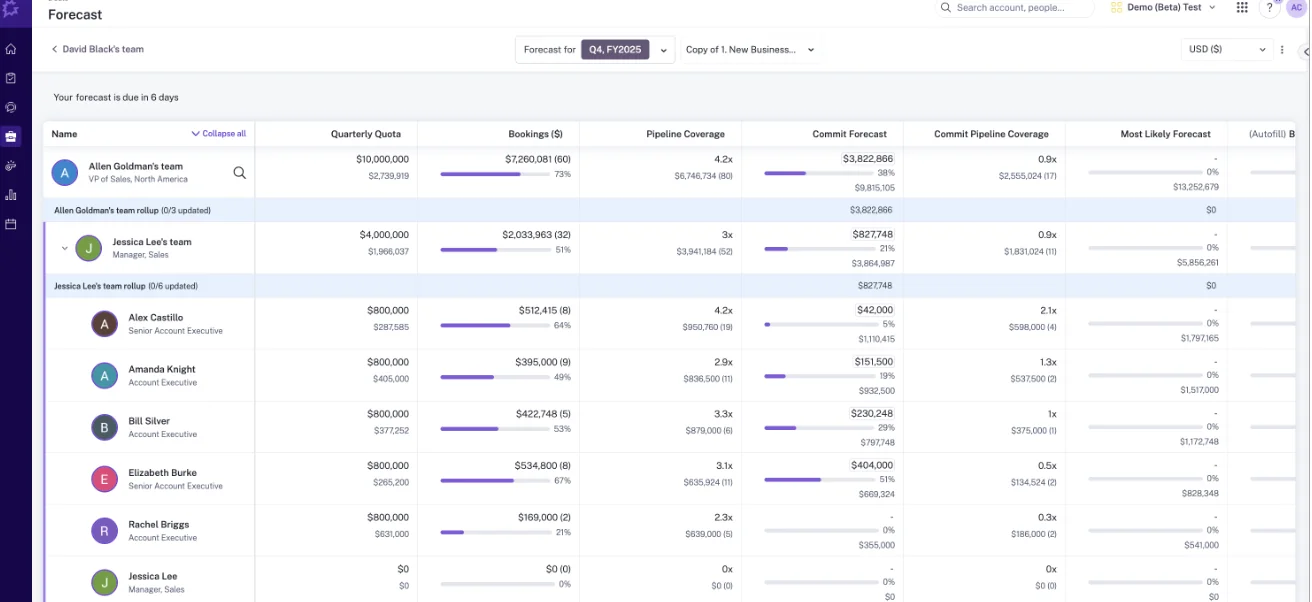
In Gong Forecast, reps submit their number per forecast category with notes, and managers see their team's totals with target and coverage beside each number. The roll-up follows the Salesforce hierarchy, so teams whose reporting lines differ from the CRM build a placeholder structure.
The projection combines closed-won deals, pipeline weighted by historical stage conversion and expected new or moved deals, and a "See the math" panel shows each component. Reliable projections need at least 400 opportunities with 150 closed-won across four quarters.
How Gong rebuilds pipeline history from CRM field history
Gong reads pipeline history from CRM field history rather than its own snapshots. The Trends report shows each week's deals as they stood that week, and the Changes waterfall groups movement into 16 reasons, from pulled in to closed-lost.
Gong backfills up to five quarters of history on request through your customer success manager, in 3 to 5 business days. You need that backfill again after changing amount, date or owner fields or forecast categories. So if stage and category changes are what broke Terret for you, expect a lighter version of the same step on Gong.
How Gong's eight fixed deal warnings and accuracy report work
Gong's AI Deal Monitor has exactly eight warnings, all defined by Gong, such as ghosted, no power and stalled in stage. You can switch each on or off and adjust its timing, but you can't create a new one. Gong Forecast does include a per-person forecast accuracy report, filtered by team, line of business and forecast category.
How Gong data reaches assistants through MCP, API and Data Cloud
- Gong's marketplace lists about 450 integrations and partner solutions.
- The MCP server exposes three record-scoped tools, returns AI insights rather than transcripts, is read-only, and draws metered credits.
- The public API returns transcripts and call data, capped at 3 calls a second and 10,000 a day.
- Warehouse delivery through Data Cloud is a separate purchase, at about $5,000 a year.
Where Gong falls short as a Terret replacement
- Forecasting needs a Gong Foundation licence plus a Forecast application seat, so each forecasting user costs two line items.
- AI is metered in credits on top of seats, pooled across the company.
- Data lives in Gong's cloud rather than your Salesforce.
Which teams Gong fits best
Gong fits teams whose center of gravity is conversation intelligence and deal boards. For Salesforce teams weighing the two, our position is simple to state: Weflow is like Gong with better AI at half the price, and it writes structured Salesforce fields from calls.
What Terret, Weflow, Clari, Aviso and Gong cost
Only Weflow publishes prices. After Terret's discount, the two land close, so price is a tiebreaker at most.
| Tool | Pricing model | Published price | Extras and fees |
|---|---|---|---|
| Weflow | Per seat, AI included; Agent Builder priced per workspace | $19 to $79 per user per month, billed annually, 10-user minimum | Agent Builder beyond the free 25 actions a month: $299 for 500, $999 for 2,500, custom Enterprise; no platform or implementation fees |
| Terret | Quote after a demo | None published | Nexus Projects reserved for the Advanced package; tiers and contents not published |
| Clari | Quote through Salesloft | None published; estimated $120 to $180 per user per month | Estimated $15,000 to $50,000 implementation fees; Salesloft MCP needs the Agentic add-on |
| Aviso | Per-user licences in a custom proposal | None published for licences | Agent work at $1 to $1.50 per outcome; offers contract buyout and free migration |
| Gong | Foundation licence plus application seats, plus a platform fee | None published | AI credits, a platform fee that scales with users, Data Cloud at about $5,000 a year |
Why a discounted Terret quote shouldn't settle this
Terret lists visibly higher than Weflow and discounts far more aggressively. On a 50 to 100 seat deal, buyers who ran both quotes found Terret's net price landing about 5 to 7% below Weflow's.
One procurement lead treated that wide discount as a mark against Terret, on the grounds that an inflated list price exists to make the discount look large. Either way, a gap of single digits means you're choosing on product and partnership.
Which Weflow product covers roll-up, waterfall and deal inspection
Weflow Deal Intelligence & Forecasting covers the roll-up, the waterfall, deal inspection and accuracy, and Pipeline Analytics comes with Forecasting. Every plan includes Ask Weflow AI Pro and the free Agent Builder tier, and AI usage sits inside the seat.
| Product or bundle | Price per user per month | What it includes |
|---|---|---|
| Weflow Activity & Contact Capture | $19 | Emails, meetings and contacts synced to Salesforce |
| Weflow Conversation Intelligence | $39 | Recording, transcription, AI field updates, desktop app and Mobile Copilot |
| Weflow Deal Intelligence & Forecasting | $39 | Deal inspection, warnings, pipeline analytics, roll-up, AI projection, accuracy |
| Weflow Revenue AI Foundation | $49 | Activity & Contact Capture plus Conversation Intelligence |
| Weflow Revenue AI Business | $59 | Foundation plus Deal Intelligence |
| Weflow Revenue AI Enterprise | $79 | All products, including Forecasting |
Different teams can sit on different products. You can put capture under everyone and forecasting only under the leaders who submit. As a reference point, at roughly 62 seats, Activity & Contact Capture plus Conversation Intelligence lands around $36,000 a year and the full platform around $58,000. Mixing plans brings the same 62 seats to roughly $45,000.
Terms are 12 months minimum, with a 10-user minimum per product or bundle.
Which Terret alternative fits your team, or none at all
The right pick follows from your CRM, your scale and what your data needs to reach. Sometimes the right answer is to stay.
Pick by the situation you're actually in
| If your team… | Shortlist… |
|---|---|
| Runs only Salesforce and wants captured activity in Salesforce, plus API and MCP access | Weflow |
| Forecasts across 1,000+ reps and needs the most mature roll-up | Clari |
| Needs one forecast across several CRM instances | Aviso |
| Runs its process from conversation intelligence and deal boards | Gong, with Gong Forecast |
| Sells in several languages | Weflow, with 96+ languages detected automatically |
| Has a CFO who won't fund a second forecasting tool | Weflow, starting with capture and conversation intelligence before renewal |
When you should stay on Terret
Stay on Terret if any of these describe you:
- You run HubSpot. Weflow is Salesforce-only, and Terret supports HubSpot.
- You need warehouse data such as product usage or billing joined into the analysis. Terret ingests Snowflake and Databricks tables; Weflow doesn't.
- Your forecast has to live in a Salesforce field. Weflow submissions and warnings don't land on a Salesforce object.
- Your managers submit forecasts from their phones. Weflow submission is web-only.
- You depend on a pipeline flow view or an account-level renewal board. Weflow has neither.
The Salesforce field point is the one we hear framed as an OKR:
"I did put it in my objectives and key results to have by end of the year, Salesforce is the single source of truth for forecasting."
If that's your rule for the forecast number itself, Weflow breaks it today. If your rule is that activity and deal data live in Salesforce, Weflow keeps it.
How to move off Terret without running two forecasting tools
Most of what matters comes with you. Opportunity history comes straight from Salesforce, so the AI projection doesn't wait on anything leaving Terret, and you can start before your renewal ends.
What you can take out of Terret today
| Data | How it leaves Terret |
|---|---|
| Accounts and opportunities tables | Download CSV button |
| Forecast and table views | CSV downloads |
| Computed fields such as engagement risk score and last contact touched | Already written to Salesforce through CRM Enrichment |
| Captured emails and meetings | No documented export route |
| Terret Notetaker recordings and transcripts | No documented export route |
Keep the CSV export of your submitted forecasts. It's your record of how past calls compared with what closed.
How Weflow brings your call and pipeline history across
- Gong or Chorus recordings feeding Terret today come straight from the source. You give us an API key, we run the import on our side, and we re-link each recording to the right Salesforce account, contact or opportunity. A Gong migration takes about a week.
- Video files from any source, including Terret Notetaker files if you get them out, bulk-import with a CSV listing participants, start and end time and title. We match each one to Salesforce records, at about 180 calls a day.
- Activity backfills up to 24 months as standard, written into native Salesforce objects.
- Opportunity history comes from Salesforce at install, so the first AI projection is ready in 48 to 72 hours.
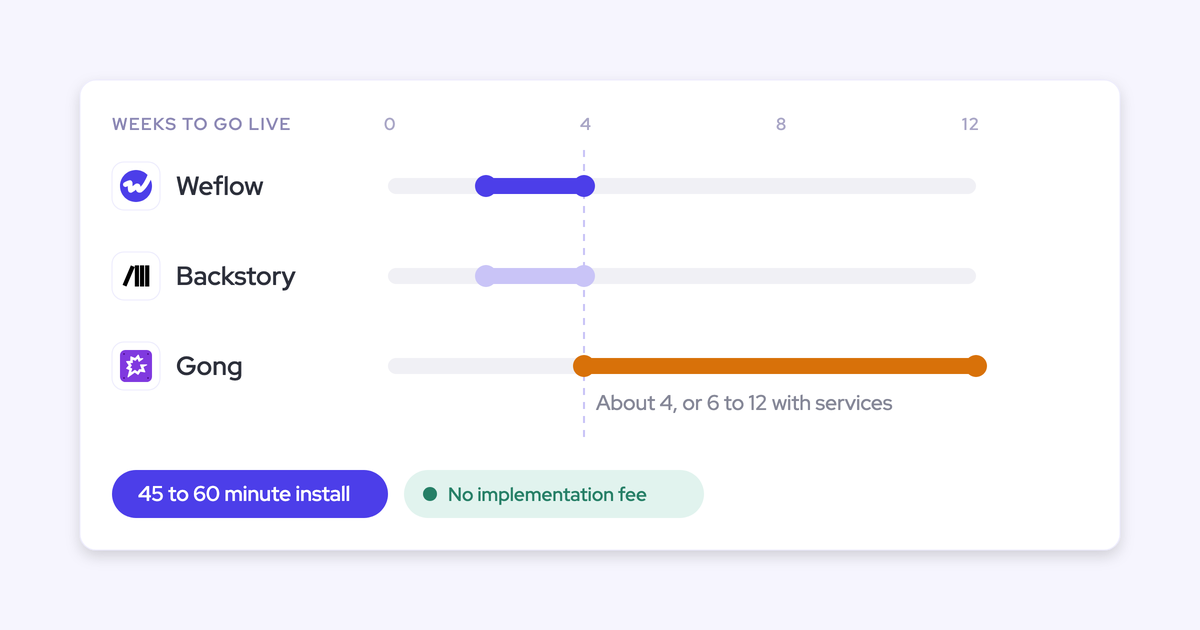
Technical setup takes 30 to 45 minutes with your Salesforce admin and your Google Workspace or Microsoft admin. Full time to value runs one to three weeks, and most of that is business configuration: forecast types, cadences, quotas, warning rules and views.
How to start on Weflow before your Terret renewal ends
The blocker is usually budget, not product:
"There's a trend towards consolidation, but then you're in a renewal cycle with your forecasting solution. And the CFO just blocks you because you can't have two forecasting solutions."
We packaged Weflow for exactly that position:
- Start with Weflow Activity & Contact Capture plus Weflow Conversation Intelligence, a capability your team doesn't own in Salesforce today. Activity starts landing in Salesforce, and calls start writing structured fields.
- Let opportunity snapshots and history build while Terret still runs your forecast.
- At renewal, expand into forecasting for roughly $10 more per user per month, rather than a separate contract at $100 to $200 per user per month.
Your CFO never funds two forecasting tools at once.
Questions RevOps leaders ask before replacing Terret
What happens to the forecast when we change stages or forecast categories?
In Terret, changing stages or forecast categories makes the projection unusable for one to two quarters, and reconciling history takes a remap of about four weeks through Terret's customer success team. Weflow builds a separate AI model per forecast configuration from Salesforce opportunity history and refreshes it nightly. Its range widens when the business is changing, and when it isn't confident it shows no range.
Can the Weflow roll-up follow a custom hierarchy instead of Salesforce roles?
Yes. Weflow imports the Salesforce role hierarchy by default, and your admin can switch on a custom hierarchy and arrange teams by drag and drop. One person can belong to several teams, such as a customer success manager carrying both an expansion and a renewal number.
Can we forecast new business, renewal and expansion separately?
Yes. Each Salesforce opportunity record type keeps its own stage path, forecast-category mapping and roll-up. Renewals get their own pipeline view with a renewal-kickoff milestone ahead of contract end, and you can carry a combined quota and per-type targets at the same time.
Will reps have to work somewhere other than Salesforce?
Activity capture runs server-side once your admins connect Google Workspace or Microsoft, so reps don't install anything for it. Opportunity edits made in Weflow write straight back to Salesforce. Forecast submission happens in the Weflow web app.
Do forecast submissions and deal warnings reach Salesforce reports and BI?
No. Forecast submissions and deal warnings are Weflow fields, marked with a W in the interface. Forecast calls are readable through the MCP connector, and an agent you build can write a deal's risk assessment into a Salesforce field you create.
Can managers submit a forecast from their phone?
No. Forecast submission is web-only. Weflow emails a reminder when a forecast is due and flags a missing submission as a warning.
What are Weflow's contract terms?
Contracts run 12 months, with a 10-user minimum per product or bundle. There's no right to reduce seats mid-term, but you can reassign a seat when someone leaves. Bundle, volume and multi-year discounts apply.
How does the Weflow AI projection handle new, ramping reps?
It doesn't adjust for them yet. A new rep's deals are projected partly from very little history of their own, so read that rep's line with care. The team-level range absorbs it.
How do Terret and Weflow compare in a security review?
Terret holds SOC 2 Type 2 and CSA STAR Level 1, hosts on AWS, and publishes no data residency commitment. Weflow is SOC 2 Type II certified and GDPR compliant, runs AI processing with Zero Data Retention, and never uses customer data to train AI models.
We're on HubSpot. Is Weflow an option?
No. Weflow works only with Salesforce, by design: that's what lets everything it captures land in your own Salesforce objects. Terret, Aviso and Gong all support HubSpot.